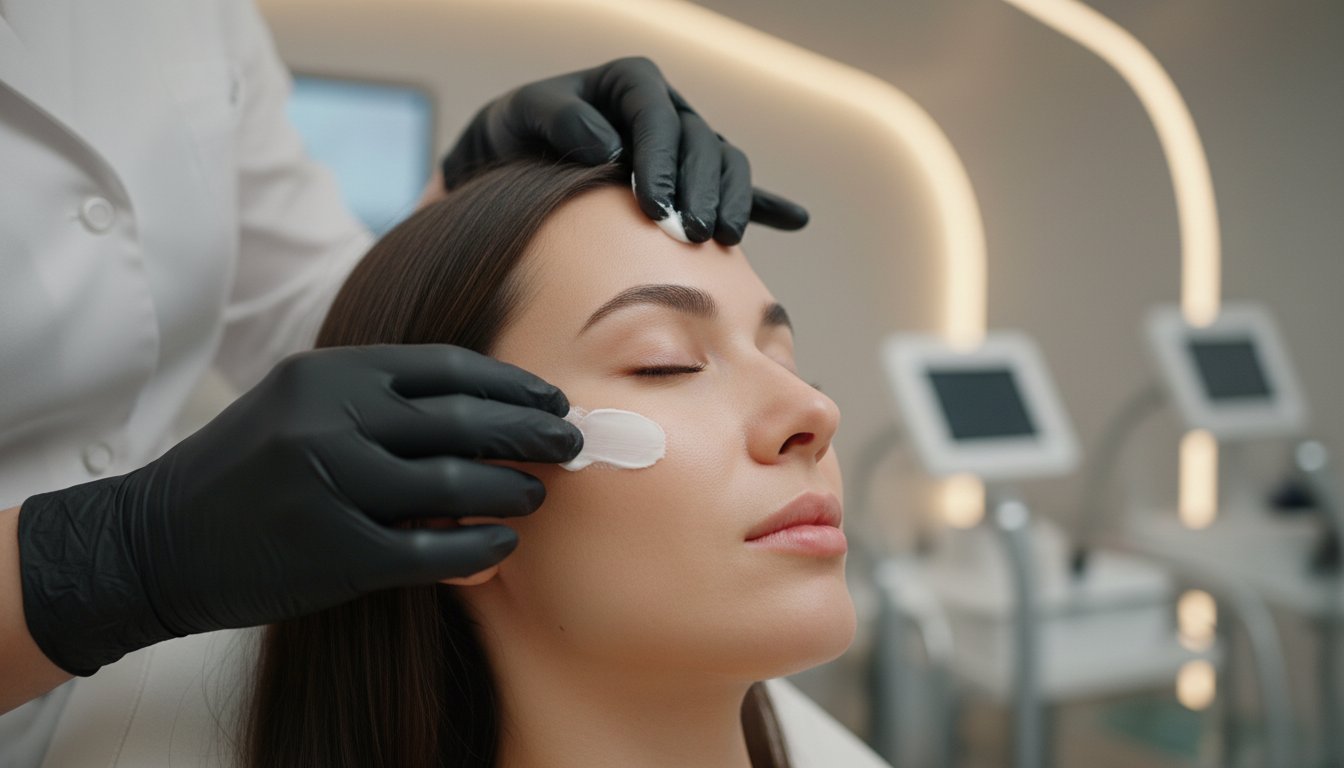
Your journey towards rejuvenation should be one of excitement, not apprehension. Yet, for many, the thought of needle-related discomfort can cast a shadow over the experience, creating a barrier to achieving their aesthetic goals. Imagine, instead, a treatment where your comfort is prioritised, allowing you to relax completely, knowing the process will be serene and virtually painless. This level of calm is not just possible; it is the standard of care we champion, often achieved with the precise application of a clinical-grade topical anaesthetic like emla cream.
Consider this your definitive 2026 guide to mastering its use for aesthetic excellence. We will navigate you through the expert steps for optimal numbing, demystify application timing to eliminate any confusion, and discuss the vital safety protocols essential for your well-being. By the end of this professional guide, you will be empowered with the knowledge to source and use this product effectively within the UK, ensuring your next treatment is defined not by anxiety, but by absolute confidence and comfort.
Key Takeaways
- Discover the clinical science behind EMLA’s dual-anaesthetic formula and why it is the professional choice for a comfortable, pain-free treatment.
- Understand the specific protocols for using emla cream before procedures like lip fillers and microneedling to significantly enhance client comfort and procedural accuracy.
- Learn the key differences between EMLA and other topical anaesthetics to confidently select the most appropriate numbing agent for your specific treatment needs.
- Master the correct application technique, from skin preparation to optimal layer thickness, to ensure maximum numbing efficacy and safety during your procedures.
Understanding EMLA Cream: The Science of Comfortable Aesthetics
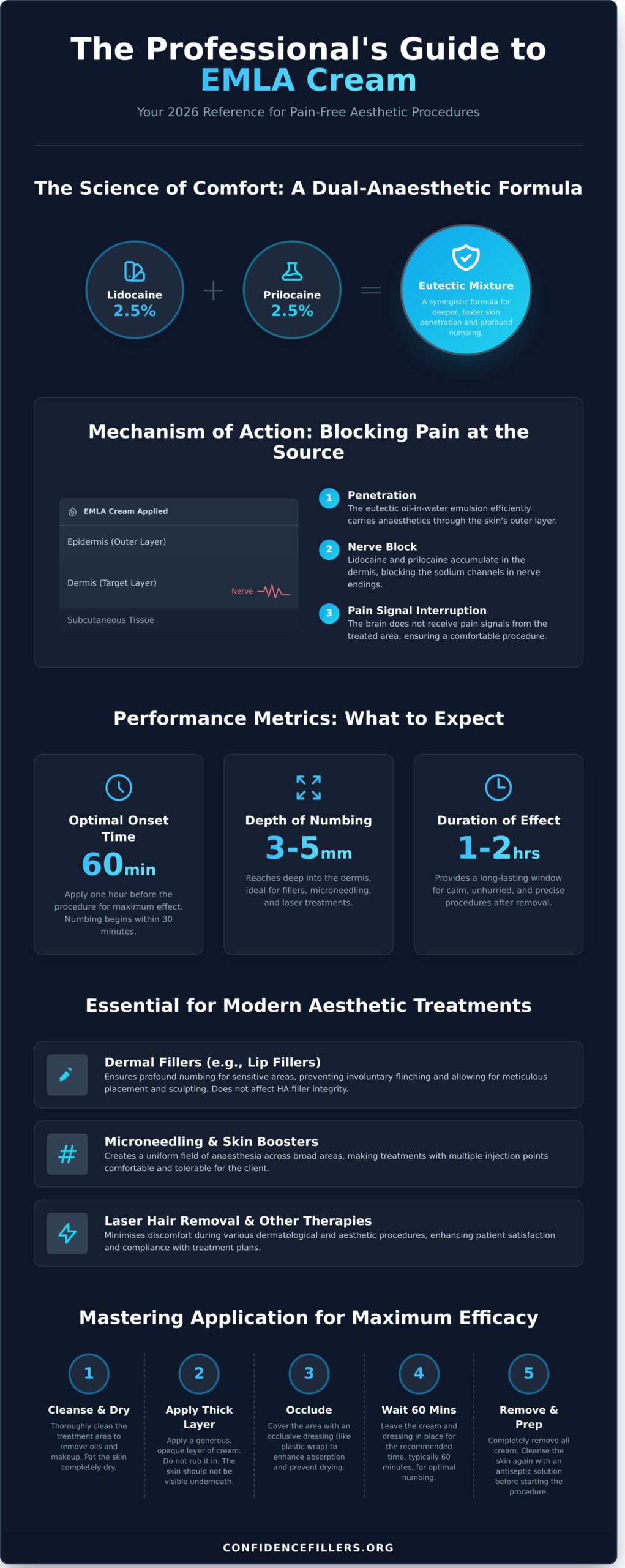
Your journey towards aesthetic rejuvenation should be one of excitement and confidence, not apprehension about discomfort. At the heart of a serene and comfortable treatment experience lies effective pain management, and for this, we rely on the clinical precision of emla cream. This is not just a simple numbing agent; it is a sophisticated formulation known as a Eutectic Mixture of Local Anesthetics (EMLA), containing a balanced 5% concentration of two active ingredients: 2.5% lidocaine and 2.5% prilocaine.
The term “eutectic” is key to its superior performance. This unique mixture has a lower melting point than its individual components, allowing it to form an oil that can effectively penetrate the skin’s protective outer layer. This oil-in-water emulsion carries the anesthetic agents deep into the dermis, where they block nerve signals at the source. This synergistic action is significantly more effective than standard single-anesthetic creams, ensuring a profound and reliable numbing effect precisely where it is needed.
The Role of Topical Anesthesia in Modern Beauty
Achieving aesthetic excellence is as much about the patient experience as it is about the final result. By effectively managing pain, we minimise your anxiety, which ensures you remain still and relaxed. This allows for meticulous, precise injections and ultimately, more beautiful and natural-looking outcomes. The psychological link is undeniable: a comfortable, painless procedure directly translates to higher treatment satisfaction and a more positive perception of your aesthetic journey.
What to Expect: Duration and Depth of Numbing
To ensure your treatment is as comfortable as possible, understanding how this topical anesthetic works is essential. The application of emla cream is a carefully timed step in your bespoke treatment plan.
- Onset Time: Numbing typically begins within 30 minutes, but for optimal effect, the cream is usually applied for 60 minutes before a procedure. Thinner facial skin may respond more quickly than skin on other parts of the body.
- Depth of Numbing: The anesthetic effect reaches a depth of 3-5mm into the skin, making it perfectly suited for treatments that target the dermis, such as dermal fillers, microneedling, and laser therapies.
- Duration of Effect: Once the cream is removed, the numbing sensation typically lasts for 1 to 2 hours, providing ample time for a calm and unhurried procedure.
Clinical Applications: Why EMLA is Essential for Fillers and Botox
In the pursuit of aesthetic excellence, your client’s comfort is not just a courtesy-it is a clinical necessity. A calm, comfortable patient allows for the meticulous precision required to achieve subtle, natural-looking results. This is where a trusted topical anaesthetic becomes an indispensable tool in your practice. For procedures ranging from dermal fillers and Botox to microneedling and even laser hair removal, EMLA provides a reliable foundation for a positive and pain-free treatment experience, reinforcing the confidence your clients place in you.
Dermal Fillers and EMLA: A Perfect Pairing
Your client’s journey to enhanced confidence should be serene from the very first moment. For sensitive procedures like lip fillers, managing the initial “pinch” of the needle is crucial to prevent involuntary flinching, which can compromise placement accuracy. Using emla cream ensures the treatment area is profoundly numbed, allowing for uninterrupted artistry. This state of comfort is vital not just for the injection, but for the entire process of sculpting and distributing the product. Reassuringly, its formulation is chemically stable and does not affect the structural integrity or viscosity of hyaluronic acid fillers, guaranteeing predictable, beautiful outcomes.
EMLA for Mesotherapy and Skin Boosters
When a treatment plan involves multiple injection points across a broad area, such as with mesotherapy or skin boosters, maintaining patient comfort is paramount. EMLA is exceptionally well-suited for these procedures, creating a uniform field of anaesthesia that minimises sensation across the entire face or décolletage. This allows you to deliver a truly bespoke treatment, adjusting application time to cater to individuals with more sensitive skin. The goal is a perfect balance: achieving a numbing depth that ensures a pain-free experience while maintaining clinical efficiency, making the path to radiant skin a smooth and pleasant one.
While online forums may discuss various “off-label” uses, a professional’s choice of consumables must always be grounded in clinical evidence and patient safety. The widespread trust in this topical anaesthetic is supported by extensive research into the Clinical applications of EMLA, which validates its efficacy across numerous dermatological procedures. By effectively managing discomfort, you are not only ensuring a higher standard of care but also empowering your client to relax, making the entire aesthetic journey a collaboration built on trust and confidence.
EMLA vs. Alternatives: Choosing the Right Numbing Agent
Your commitment to client comfort is the foundation of aesthetic excellence. Selecting the right topical anaesthetic is a crucial step in ensuring a calm, positive treatment experience, directly impacting your client’s confidence and satisfaction. While many options exist, understanding the clinical nuances between EMLA and its alternatives allows you to tailor every aspect of your patient’s journey with precision and care.
EMLA vs. LMX4: Which is Better for Your Clinic?
The primary distinction lies in their formulation. EMLA is a sophisticated eutectic mixture of 2.5% lidocaine and 2.5% prilocaine, whereas products like LMX4 typically contain 4% or 5% lidocaine alone. This dual-agent composition is EMLA’s key advantage, as the unique mixture allows for deeper skin penetration than either agent could achieve on its own. This mechanism is well-documented in clinical resources like the FDA EMLA Cream Drug Information, establishing its scientific credibility.
- Onset vs. Durability: While pure lidocaine may offer a slightly faster onset (around 30 minutes), EMLA provides a more profound and longer-lasting anaesthesia (up to 2-3 hours after a 60-minute application). This makes it the superior choice for more involved procedures, such as dermal fillers or microneedling, where consistent numbing is essential for a seamless treatment.
- Cost-Effectiveness: For a busy UK clinic, reliability translates to value. The consistent performance of emla cream minimises the risk of patient discomfort or the need for reapplication, making it a cost-effective staple when procured from a trusted wholesale partner.
Your choice may also depend on the application format. A cream offers precise, occluded application perfect for targeted facial work. In contrast, sprays or gels may be suitable for larger surface areas where uniform, lighter numbing is required.
Identifying Genuine EMLA Cream
In a market where patient safety is non-negotiable, verifying the authenticity of your consumables is paramount. Counterfeit products can lack efficacy or contain harmful ingredients. Be vigilant for warning signs such as inconsistent packaging, absent batch numbers, or unusually low pricing. To safeguard your clients and your professional integrity, always source your supplies from a vetted, MHRA-compliant distributor like Confidence Fillers. Proper storage is also vital; keep the cream at a controlled room temperature, away from direct sunlight, to preserve the potency of its active ingredients and ensure predictable, effective results for every client.
How to Apply EMLA Cream for Maximum Efficacy and Safety
To ensure your clients experience the utmost comfort during their aesthetic treatments, the correct application of a topical anaesthetic is paramount. Mastering this protocol not only enhances patient satisfaction but also allows you to perform your artistry with precision and confidence. The following steps outline the professional standard for applying emla cream to achieve optimal numbing safely.
- Step 1: Prepare the Canvas
Begin by thoroughly cleansing the treatment area. Use a gentle, alcohol-free cleanser to remove all traces of makeup, oils, and impurities. A pristine surface is essential for effective absorption. - Step 2: Apply a Generous Layer
Do not rub the cream into the skin. Instead, apply a thick, opaque layer-often referred to as the “dollop” method-directly onto the target area. The layer should be substantial enough that you cannot see the skin through it. - Step 3: Seal for Success (Occlusion)
Cover the cream with an occlusive, airtight dressing. This crucial step prevents the cream from drying out and significantly enhances its penetration into the dermis. - Step 4: Time for Peak Efficacy
For most aesthetic procedures, allow the cream to remain on the skin for approximately 60 minutes. The exact timing can be tailored to the individual and the specific treatment, but this duration typically ensures profound anaesthesia. - Step 5: Remove and Disinfect
Just before the procedure, remove the occlusive dressing and wipe away all residual cream with clean gauze. Finally, prepare the skin with a suitable antiseptic solution to ensure a sterile field.
The Importance of Occlusion
An occlusive dressing creates a barrier that traps heat and moisture, which helps to drive the active ingredients deeper into the skin for a more profound numbing effect. For delicate facial areas, a transparent film dressing is ideal. On larger body areas, simple cling film can be effective. Safety is paramount: avoid occluding very large surface areas without direct medical supervision to minimise the risk of systemic absorption.
Safety Protocols and Contraindications
Your client’s well-being is the priority. Be vigilant for signs of an allergic reaction, such as severe redness, hives, or swelling. This topical anaesthetic should be avoided in individuals with a known allergy to amide-type local anaesthetics or the rare blood disorder methemoglobinemia. Always adhere to the maximum recommended dosage limits, especially for paediatric use, and consult product guidelines for specific area restrictions. Upholding these ethical standards is central to the bespoke care we champion at Confidence Fillers.
Restoring Your Confidence: Sourcing Quality Aesthetic Supplies
A truly exceptional aesthetic outcome is built upon a foundation of uncompromising quality, from the initial consultation to the final, subtle enhancement. At Confidence Fillers, we understand that your professional reputation depends on the integrity of your tools. This is why leading UK practitioners trust us as their dedicated supplier, relying on our unwavering commitment to medical-grade, ethically sourced consumables that ensure every patient journey begins with safety and ends with renewed self-assurance.
The synergy between a premium dermal filler and meticulous preparation cannot be overstated. A calm, comfortable patient is essential for the precise artistry your work demands. Ensuring patient comfort with a trusted topical anaesthetic like emla cream is not merely a preliminary step; it is integral to the bespoke treatment experience you provide. It establishes a tone of care and professionalism, allowing your client to feel secure and receptive throughout the procedure.
Wholesale Opportunities for Aesthetic Clinics
For high-volume practices, maintaining a seamless inventory is paramount. We support your clinic’s operational excellence with exclusive wholesale opportunities. Benefit from cost-effective bulk purchasing, fast and reliable UK-wide shipping to prevent treatment delays, and the assurance of our money-back guarantee on all aesthetic essentials. Partner with us to streamline your procurement process, allowing you to focus entirely on your craft and your clients.
Your Partner in Aesthetic Excellence
We see ourselves as more than a supplier; we are your partner in achieving aesthetic excellence. Our team of experts is always available to provide guidance on product selection, ensuring you have the ideal consumables for your specific treatment plans. We share your dedication to delivering the refined, natural-looking results that empower patients. Enhance your patient experience by ordering EMLA cream today, and take the first step towards a more confident practice.
Your Journey to Confident, Comfortable Aesthetics
As we’ve explored, the path to aesthetic rejuvenation is paved with both innovation and care. Understanding the clinical efficacy of topical anaesthetics for procedures like fillers and Botox, and mastering their correct application, are fundamental steps toward a positive experience. Above all, recognising that the quality of your supplies directly impacts the safety and success of your results empowers you to take complete control of your treatment journey.
Your pursuit of subtle, natural-looking enhancements deserves to be a serene and reassuring one. Choosing a clinical-grade emla cream from a reputable source is not merely a preliminary step; it is an investment in your peace of mind. At Confidence Fillers, we are dedicated to upholding the highest standards of clinical safety, ensuring every product we supply supports your aesthetic goals with integrity.
As a trusted UK supplier of top-tier dermal fillers and numbing agents, we invite you to experience this elevated standard of care. Secure your clinical-grade EMLA cream at Confidence Fillers and benefit from our commitment to 100% secure payment and global shipping. Embrace the future of aesthetics, where your comfort and confidence are always the priority.
Frequently Asked Questions
How long should I leave EMLA cream on before a filler treatment?
To ensure your complete comfort during a filler treatment, we recommend applying EMLA cream approximately 60 minutes beforehand. This allows the active ingredients sufficient time to penetrate the skin, providing effective numbing for a serene and positive experience. Your practitioner will provide a bespoke application plan, ensuring the area is perfectly prepared for your treatment, allowing you to relax with confidence, knowing your comfort is our priority.
Can I buy EMLA cream over the counter for my aesthetic procedure?
In the United Kingdom, EMLA cream is available to purchase from a pharmacy without a prescription, though you will need to speak with the pharmacist. It is classified as a ‘Pharmacy Medicine,’ meaning a brief consultation is required to ensure it is appropriate for your needs. For any aesthetic procedure, we always advise consulting with your practitioner first. This ensures your treatment journey is managed with the utmost safety and professional oversight from start to finish.
Does EMLA cream have any side effects on the face?
When used on the face as directed, EMLA cream is very safe, though some minor, temporary side effects can occur. You might notice slight redness, a pale appearance of the skin, or mild swelling at the application site. These effects are typically transient and resolve shortly after the cream is removed. Our commitment to your well-being means we discuss all aspects of your treatment, ensuring you feel fully informed and confident in the process.
Is EMLA cream safe to use for laser hair removal?
Yes, EMLA cream is frequently used to enhance comfort during laser hair removal treatments. Applying it prior to your session can significantly minimise the stinging sensation associated with the laser, making the experience much more manageable. For optimal safety and effectiveness, it is essential to follow the precise application instructions provided by your laser technician. This ensures your skin is properly prepared, allowing for a smooth and confident treatment journey towards smoother skin.
Can I use EMLA cream if I am pregnant or breastfeeding?
Your safety is our paramount concern. For this reason, we advise against using EMLA cream if you are pregnant or breastfeeding, unless specifically approved by your doctor or obstetrician. While the risk is considered low, the active ingredients can be absorbed into the bloodstream. We believe in taking a cautious and ethical approach, and we would be pleased to discuss alternative comfort measures or reschedule your treatment to a more appropriate time.
Will using numbing cream make my skin swell during the injection?
It is uncommon for numbing cream to cause swelling that would interfere with your injection treatment. You may experience a very mild, localised reaction like slight puffiness or redness where the cream was applied, but this is temporary and superficial. It does not affect the practitioner’s ability to precisely administer the filler or impact the final, natural-looking result. The primary cause of any post-treatment swelling is the injection process itself, not the preparatory numbing cream.
How much EMLA cream do I need for a full face treatment?
The amount of EMLA cream required for a full-face treatment depends on the specific areas being addressed. For targeted zones like the lips or nasolabial folds, a single 5g tube is often sufficient. For a more comprehensive application covering multiple areas, you may need approximately 10g. During your consultation, we will create a bespoke treatment plan that includes precise guidance on application, ensuring optimal comfort and efficacy for your unique aesthetic goals.
What is the difference between EMLA and standard lidocaine cream?
The key difference lies in their formulation and efficacy. Standard lidocaine cream contains one anaesthetic agent. In contrast, EMLA cream is a sophisticated eutectic mixture of two agents: lidocaine and prilocaine. This dual-action formula allows it to penetrate the skin more deeply and provide a more profound and longer-lasting numbing effect. This makes it an exemplary choice for aesthetic procedures, ensuring your experience is as comfortable as possible while we achieve your desired results.